 Intolerances Check
Not just yes or no. How certain, and why.
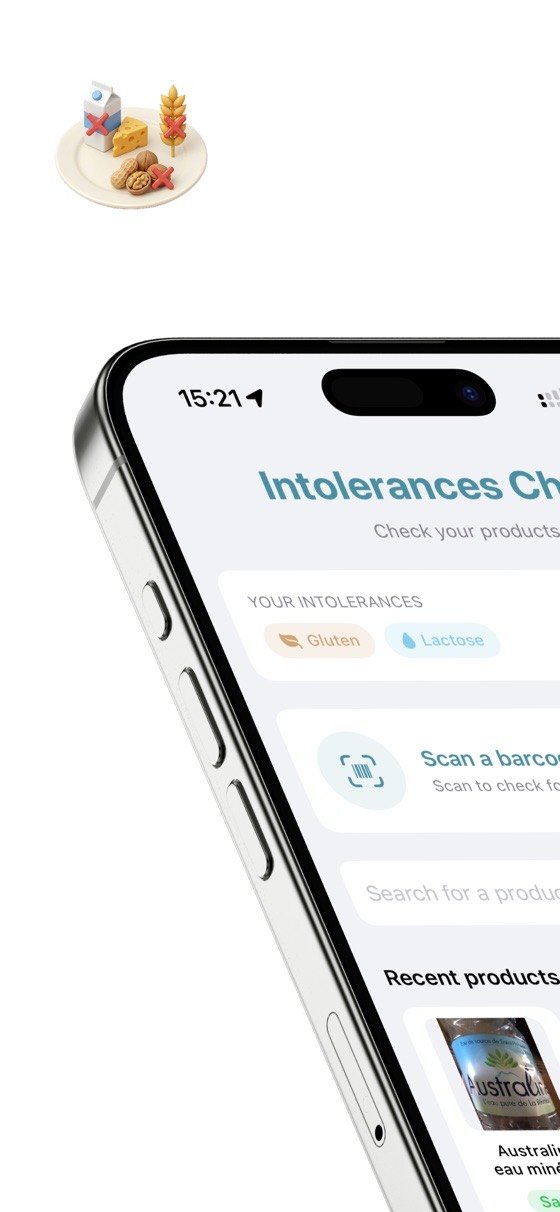
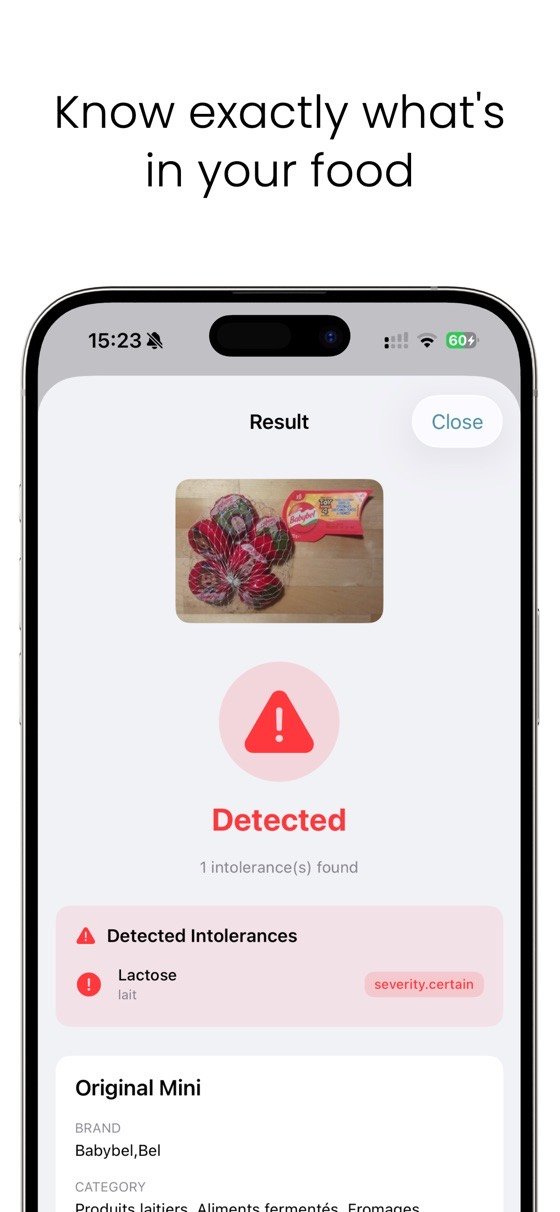
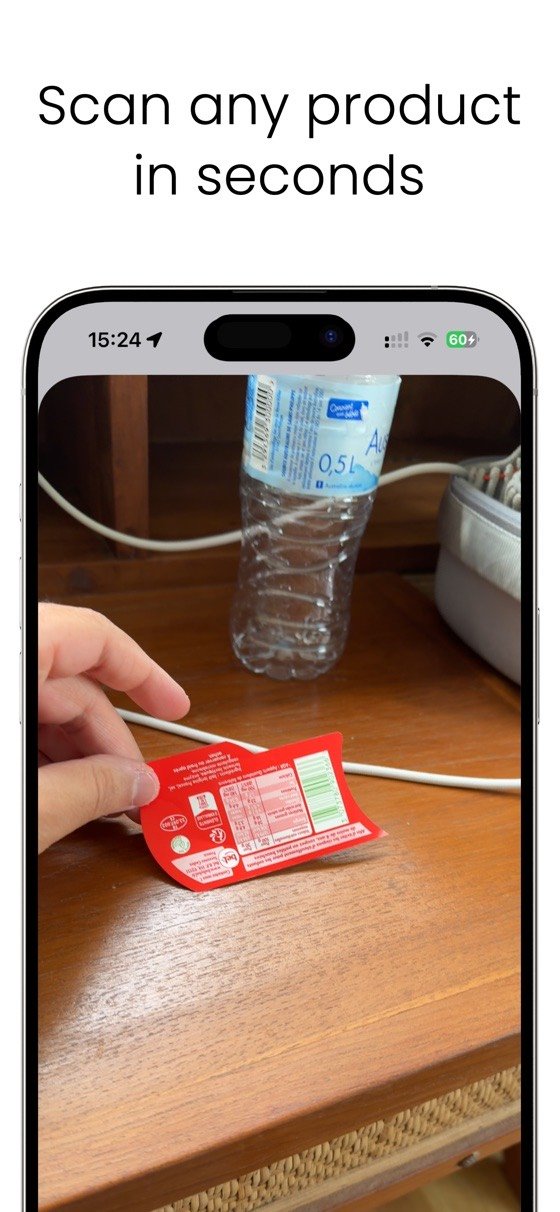
Scan a barcode and Intolerances Check reads the whole list against your restrictions — then tells you whether it's certain, possible or a trace, and which ingredient caused it.
Certain, possible or traces. Because a label is not always definite.
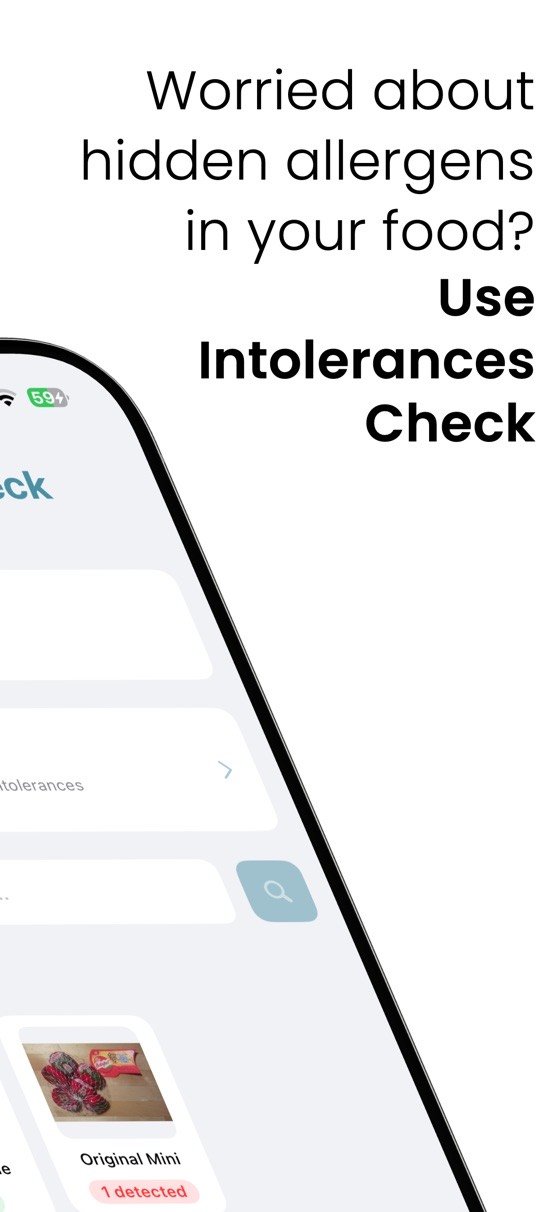
Malt extract is gluten. Casein is dairy. Tahini is sesame. Lecithin can be soy. Not one of them contains the word you were told to avoid. Reading a label is not hard because it's long. It's hard because allergens travel under other names.
Set it once, then just scan.
Choose your restrictions the first time you open the app. After that, it is one gesture per product.
Pick your intolerances
Twelve are supported, from gluten and lactose to celery, sesame, sulfites and mustard.
Scan the barcode
EAN, UPC and QR codes. No barcode? Type the product name instead.
Read the certainty
Certain, possible or traces — with the ingredient that triggered it, so you can judge the risk yourself.
Twelve restrictions, and the names they hide behind.
Most misses happen because an allergen is listed under a technical name nobody recognises on a shelf.
- Gluten & wheat — including malt extract, semolina, spelt, durum.
- Lactose & dairy — casein, whey, milk solids, butterfat.
- Peanuts and tree nuts — almond, walnut, cashew, hazelnut and their oils.
- Eggs, fish and shellfish — albumen, lysozyme, surimi, anchovy in sauces.
- Soy, celery, sesame, sulfites, mustard — the ones most often overlooked.
Made for real shopping.
Three levels, not two
A binary verdict hides the useful information. Certain, possible and traces let you make your own call on a product.
Search without a barcode
Loose produce, bakery, restaurant dishes — type the name and get the same analysis.
Scan history
Everything you have checked stays available, which matters when you shop the same products every week.
Clear enough to read in a hurry.
Colour-coded by certainty, readable one-handed, in a supermarket.
Where allergens actually hide.
Learn the alternative names once and most of the surprises disappear.

Where gluten hides: 12 names that aren't “wheat”
Malt extract, semolina, soy sauce, modified starch: gluten under names you weren't warned about.
Read the guide
Lactose-free isn't dairy-free — and why it matters
Why hard cheese is nearly lactose-free, and where milk hides under names like casein and whey.
Read the guide
5 best allergen scanner apps in 2026
What separates a useful allergen scanner from a dangerous one — ours included, weaknesses and all.
Read the comparisonImportant to know.
Can I rely on this if I have a severe allergy?
No — and this is the most important thing on this page. Intolerances Check reads a published ingredient list. It cannot detect cross-contamination, shared production lines, or a recipe that changed last month. If an allergen is dangerous to you, the packaging itself, the manufacturer and your medical advice remain the authority. The app is a filter that saves you time, not a safety guarantee.
What do the three levels mean?
Certain: the allergen is explicitly in the ingredient list. Possible: an ingredient can contain it depending on its source, and the label does not say. Traces: the packaging carries a may-contain warning. The middle level exists because labels are genuinely ambiguous, and pretending otherwise would be the dangerous choice.
Which intolerances are covered?
Twelve: gluten and wheat, lactose and dairy, peanuts, tree nuts, eggs, fish, shellfish, soy, celery, sesame, sulfites and mustard.
What does it cost?
The download is free. Scanning and analysis require the Intolerances Check Premium subscription.
Which devices?
iPhone, on a recent version of iOS, with a working camera for the scanner.
Fewer labels to decipher.
Scan it, see the certainty level, and keep shopping.
Download on the App Store